⚖ Advocates · Legal Consultants · Chennai · Madras High Court · Supreme Court of India📞 +91-9994287060  ·  ✉ Askadvocates.com@gmail.com
AskAdvocatesLaw Chamber · Chennai

Uniform civil code: Petition in SC seeks the transfer of petitions

2021-04-11By Advocate Saravvanan Rajendran

In briefA petition in the Supreme Court sought transfer of pending petitions on a uniform civil code, a subject addressed by Article 44 of the Constitution, which directs the State to endeavour to secure a uniform civil code for citizens.

To promote national brotherhood and integration, secure gender justice and dignity of women

Uniform civil code meaning: Gender-based differences in religious beliefs, caste, and sects will end. The comprehensive united gender-neutral law religion-neutral law will be forwarded at the national level and will equally apply to all citizens, the request added that it will not only promote national brotherhood and integration but also secure gender justice and dignity of women.
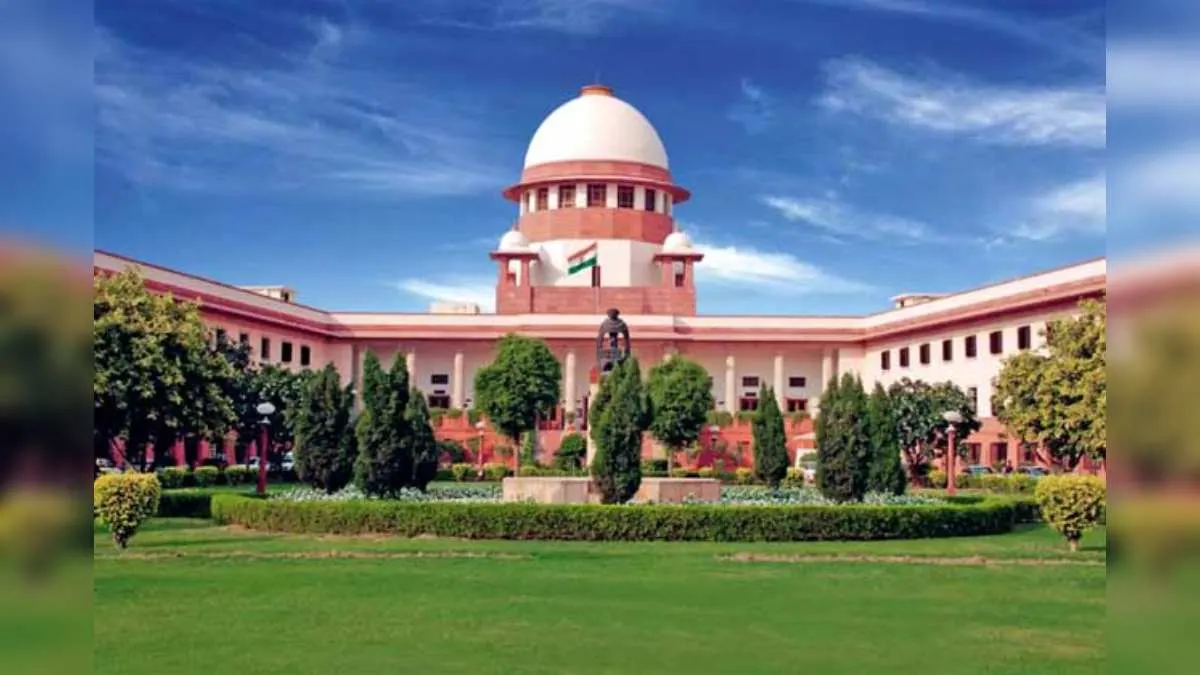
Petition in SC seeks the transfer of petitions on the 'uniform civil code’

The request states that the uniform civil code in India or Indian civil code is always seen as a spectacle of religious appeasement.

petition transfer of uniform civil code problems

A petition has been submitted at the Supreme Court who is looking for a petition transfer of uniform civil code problems, waiting in the Delhi High Court, to the APEX court to avoid multiplicity of litigation.

The request submitted by the Advocate and BJP leader Ashwini Kumar Upadhyay noted that five PIL were looking for uniform laws at the age of minimum marriage, divorce land, benefits, adoption trusters, and succession inheritance delayed at the Supreme Court.

Hundreds of complex and outdated laws

It is said that implementing the uniform civil code for all citizens in the lines of Indian criminal codes will free people in the country from hundreds of complex and outdated laws.

The petition submitted through Advocate Ashwani Kumar Dubey also looked for the center to form a Judicial Commission or Expert Committee to compile a uniform civil code within three months while considering the best practices of all personal laws and civil laws from developed countries and conventions.

Gender-based differences in caste and Religious sects would end

"Gender-neutral religious law, religions-neutral will apply to all Indians, Hindus or Muslims, Zoroastrians or Christians, with respect to the will, charity, divinity, trusteeship, the share of custody, etc. Gender-based differences in caste and Religious sects would end.

"Unified gender neutrality and religious neutral law will be passed at the national level and will equally apply to all citizens," said the plea added that it would not only promote the brotherhood and national integration but also secure justice and Gender neutrality.

Spectacle of religious appearance

The Plea states that "what is uniform civil code or Indian civil code" is always seen as a "spectacle of religious appearance ''. The Supreme Court or the High Court cannot ask the government to implement a constitutional article 44 but can direct the center to form a committee to prepare the design of the UCC, Plea said.

"The Supreme Court and the High Court can direct the center to form a Judicial Commission or Expert Committee to study the uniform Civil Code from developed countries and laws that apply in India and make the concept of the 'Indian Civil Code', combining common good, and public discussions can begin on this subject, "he said.

What the petition sought

The report describes a petition by an advocate seeking transfer to the Supreme Court of petitions pending in the Delhi High Court that ask for uniform laws on minimum age of marriage, divorce, maintenance, adoption, guardianship and succession, to avoid multiplicity of litigation. It also asked for a judicial commission or expert committee to draft a uniform civil code. The petitioner argued that a uniform code would promote national integration, gender justice and dignity of women.

Constitutional position

Article 44 of the Constitution, a Directive Principle, states that the State shall endeavour to secure for citizens a uniform civil code throughout the territory of India. Directive Principles are not directly enforceable by courts (Article 37), but they guide legislation. The Supreme Court has repeatedly referred to Article 44, including in Mohd. Ahmed Khan v. Shah Bano Begum (1985), Sarla Mudgal v. Union of India (1995) and John Vallamattom v. Union of India (2003), urging the legislature to act, while recognising that framing such a law is a policy matter for Parliament. The Law Commission of India has examined the subject and has noted the need for reform of discriminatory practices within each personal law, as well as the importance of consultation.

Why transfer petitions are filed

Under Article 139A of the Constitution and Section 25 of the Code of Civil Procedure (now the corresponding provisions of the procedural codes), the Supreme Court may transfer cases pending before High Courts to itself when substantial questions of law of general importance are involved or to avoid conflicting decisions. Consolidating similar petitions in one forum saves judicial time and prevents inconsistent rulings.

Where the law stands on reform

Family law reform in India has proceeded incrementally: the Hindu Code Bills of the 1950s, the Special Marriage Act, 1954, judicial recognition of maintenance rights for Muslim women, prohibition of instant triple talaq by the Muslim Women (Protection of Rights on Marriage) Act, 2019, the equal coparcenary rights of daughters under the 2005 amendment and decisions on adoption, guardianship and inheritance. Citizens affected by personal-law questions should rely on the law currently applicable to their community, and the family law pillar explains the present position on divorce, maintenance, custody and succession.

This note is an educational summary of a news report on a pending matter and not legal advice.

Frequently Asked Questions

What is the uniform civil code?

It is a proposal for a common set of personal laws governing marriage, divorce, succession, adoption and maintenance for all citizens regardless of religion, based on Article 44, a Directive Principle of State Policy.

Is a uniform civil code in force in India?

Not nationally. Goa follows a common family law inherited from Portuguese rule, and Uttarakhand enacted a Uniform Civil Code in 2024 for its residents. Otherwise personal laws remain community-based.