⚖ Advocates · Legal Consultants · Chennai · Madras High Court · Supreme Court of India📞 +91-9994287060  ·  ✉ Askadvocates.com@gmail.com
AskAdvocatesLaw Chamber · Chennai

Acceptance of Pecuniary Amounts does not Make Itself a Bribe

2022-02-23By Advocate Saravvanan Rajendran

In briefMere receipt of money does not prove a bribe under the Prevention of Corruption Act, 1988; the prosecution must prove demand and voluntary acceptance of the money as an illegal gratification.

Mere Acceptance of Pecuniary Amounts does not Make Itself a Bribe: Mere acceptance of any pecuniary amount does not make it bribe itself under sections 7 and 13 (1)(d) of the Prevention of Corruption Act. The conviction was upheld by the High Court. But the Supreme Court reversed the judgment in the appeal. The court further observed that there is only a witness to allege the demand and acceptance. The PW1 was also failed to prove the demand for bribes by the accused. Therefore the court acquitted the accused from the charges of Offence. (K. Shanthamma Vs State of Telangana)
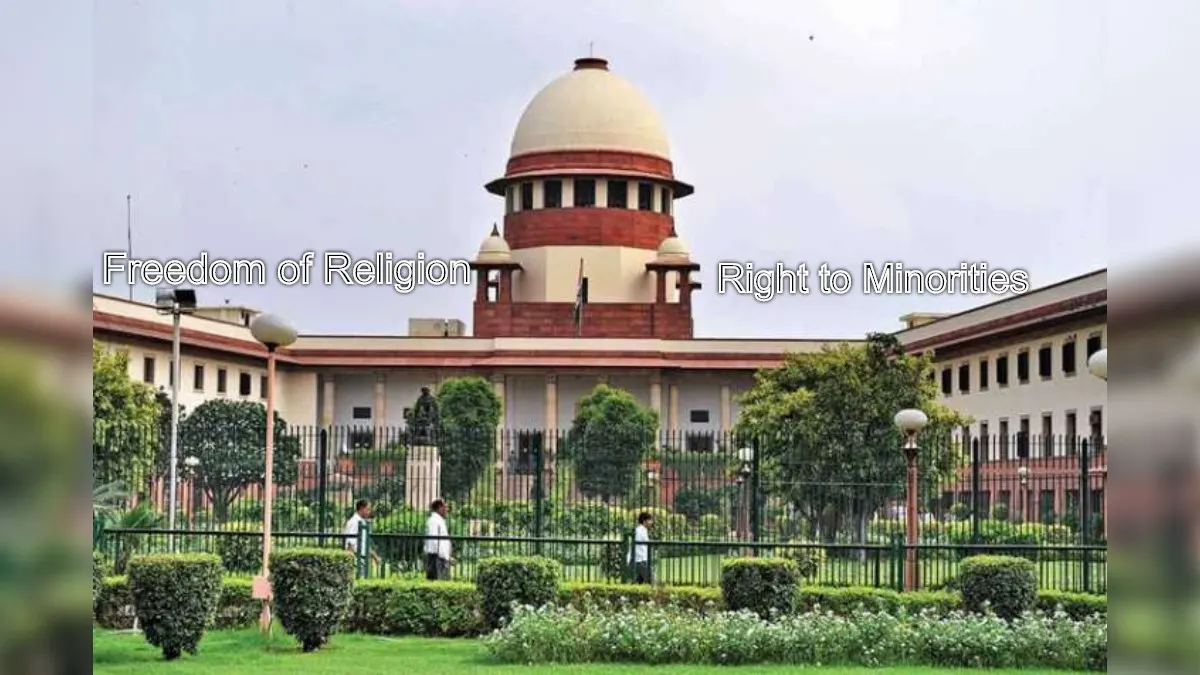
Acceptance of Pecuniary Amounts does not Make Itself a Bribe Best Advocates in Chennai | Top Law Firm in India 24/7

Popular News:

Read More

The report above concerns K. Shanthamma v. State of Telangana, in which the Supreme Court reversed a conviction under Sections 7 and 13(1)(d) of the Prevention of Corruption Act, 1988 because the prosecution had not established the demand for a bribe. The principle is central to corruption trials: the statute punishes the acceptance of illegal gratification as a motive or reward for a public act, so the money must be shown to have been demanded or knowingly accepted for that purpose. Recovery of currency notes from a public servant, even when phenolphthalein tests are positive, does not by itself complete the offence.

How courts test demand and acceptance

  1. Demand. Courts look for direct evidence of the demand, usually from the complainant, corroborated by a shadow witness, recorded conversations or documents. If the complainant does not support the prosecution, the court examines whether other evidence independently proves the demand.
  2. Acceptance. The accused must have voluntarily accepted the money with knowledge that it was a bribe. Explanations such as a repayment of a loan, a deposit, or an unsolicited placement of money in a pocket are weighed carefully against the evidence.
  3. Presumption. Section 20 of the Act (as it stood) raises a presumption that the gratification was a motive or reward once acceptance is proved, but the presumption arises only after the basic facts of demand and acceptance are established, and the accused can rebut it on the preponderance of probabilities.
  4. Sanction and trap procedure. Prosecution requires sanction under Section 19 from the competent authority, and the trap must follow proper procedure, including pre-trap and post-trap proceedings and independent witnesses.

Practical lessons

For accused persons, the case illustrates the value of a careful cross-examination of the complainant and trap witnesses, scrutiny of contradictions and a challenge to the sanction order. For complainants and agencies, it shows the importance of recording demand reliably and preserving evidence. Corruption cases also involve parallel departmental action, so employees should seek advice on both criminal and service consequences. See our criminal law pillar and our guide to white-collar and economic offences.

This note is an educational summary of a reported decision and not legal advice.

Frequently Asked Questions

What must be proved in a bribery case?

The prosecution must prove a demand of illegal gratification and its acceptance by the public servant. Proof of recovery of tainted money alone is not enough, as the Supreme Court has repeatedly held, including in Neeraj Dutta v. State (Govt. of NCT of Delhi), decided by a Constitution Bench in 2022.

Can demand be proved by circumstantial evidence?

Yes, if the primary witness turns hostile or dies, demand can be inferred from other direct evidence or circumstances, but the chain must be complete and consistent.