Find the Best Advocates for Industrial disputes in Chennai, Tamil Nadu, India.
ADVOCATES FOR INDUSTRIAL DISPUTES ACT
Industrial disputes are the disputes between employer and employees of an organization. These disputes can also be between employees or its unions. Advocate Saravvanan Rajendran Law Chamber offers excellent legal support for Industrial disputes in Chennai and all over Tamil Nadu, India.
Industrial disputes legal services
Industrial Disputes Act aims at peace and harmony of industries. This act lays down the procedure for investigation & settlement of disputes in industries. The settlements can be through arbitration, conciliation and adjudication methods. The main goal of this act is peaceful work culture in an industry. This Act applies to the organized industrial sector. It deals with regulation of strikes and lockouts. Corporate attorneys in our Law firm offer the best legal services for all types of Industrial disputes in India.
Employee welfare in Industrial disputes act
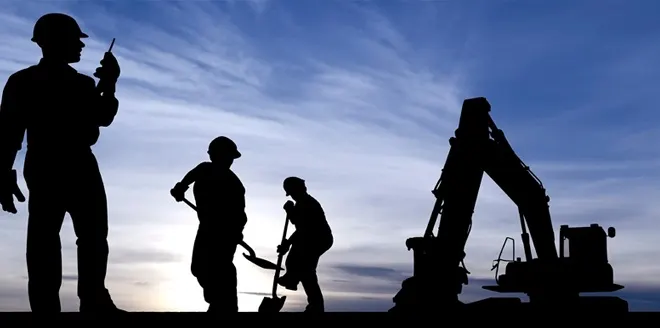
Industrial disputes Act lays down stipulations for workman compensation, lay off or closure. This Act imposes procedure of closure of industries, workers lay off or retrenchment. It defines about the unfair labor practices by employers or workers.
Industries under Industrial dispute act
Our entire country comes under Industrial disputes act. This Act applies to any industry involved in trade/manufacture/. distribution of goods or services. The number of people working for the industry is not a criterion for non – applicability of this Act. The workers can be with or without skills. They can be contract, apprentice or part time, they come under this Act. The nature of work can be manual / clerical / operational /. technical or supervisory and so on.
Which are all the issues which does not come under industrial disputes ?.
This Act is not applicable to managerial or administrative employees of an industry. The employees drawing above INR 10000/. month or performing managerial duties do not come under this act. Person who comes under Army, Navy or Air force acts do not come under Industrial disputes act. Also police officers and prison employees do not come under this act.
What are the common Types of Industrial disputes?
Industrial dispute is a situation where both employer and employees pressurize each other. The employer can lock out the company. The workers can choose to picketing, strike or gherao.
Let’s hear about the common industrial disputes
Strike
Trade unions use strike as a powerful took to have the management accept their demands. A group of people stop working and bring pressure on management to agree to their demands.
Strikes can be of many types. Let us discuss about a few of them.
Economic Strike
Under this type of strike trade union stops the work. The act is to insist on their demands like bonus, wages or work conditions
Sympathetic strike
Here all the members of a particular union stop to work. It is to show their sympathy to other union members who have already under strike
General Strike
Here Members of all unions in a particular region will be on strike. It is all workers strike of particular area for their demands on behalf of all workers of the industry. General strike is an expansion of sympathetic strike.
Sit down strike
Here the workers do not move from work place. They stop working. The workers sit down and stay in strike. Other names for this strike are pen down strike or tools down strike. The employees remain at the place of work. They exercise control over facilities at work.
Slow down strike
Here the employees will be on their jobs during slow down strike. Workers do not stop working, but they restrict the output in an organized way. You can see here, use of Go slow tactics by employees to bring pressure on management.
Lock Out
The employers of an organization declare lock outs. Lock out gets declared by employers to pressurize their employees. Lock out is an act by entrepreneurs to close work place till workers agree to employers terms. Employers use lock outs to control militant workers.
Gherao
Here a group of workers form human chain. They prevent managerial personnel from leaving their business or residential premises. The human fencing can be in the form of ring, chain or circle. In the center of such circle remains the employer or people of management. Courts have said gherao as illegal action. Persons subject to gherao will be under humiliation. There is physical coercion in achieving the demands by the workers.
Picketing
In picketing, a group of workers station themselves at certain point of workplace. These workers prevent workers from reporting to work. It is legal when violence is not there during the act. It is public attention seeking method adopted by the employees. Workers want to say that they differences with their management.
What is the process of settlement of Industrial disputes ?
Industrial disputes act lays down the provision for industrial disputes. When there is an industrial dispute, the appropriate government authority can:
- Give reference to conciliation officer or board of conciliation officers to promote settlement.
- The Govt. authority can direct court for an inquiry
- Govt. can give directions to labor court of respective adjudication to settle disputes
- Govt. can refer industrial tribunal for adjudication
As per theory, in case of industrial dispute be it employer or employee has to write to appropriate govt. authority in prescribed format. They have to convey about the dispute to the govt. In turn the authority directs the matter for conciliation, tribunals or labor courts. The authority may be secretary of labor of state. But in reality this procedure does not exist.
Choose the best Industrial dispute advocates in Chennai
Industrial dispute Attorneys have experience in all aspects of workplace disputes and employment law. Over the years, Advocates have given advice on wide array of industrial dispute matters. The team of Labour advocates cater to the issues of small to medium to large size organization.
Retainer-ship lawyers for industrial disputes in Advocate Saravvanan Rajendran Law Chamber have perfect understanding of your need to maintain harmony in workplace. Every industry needs to be at peace with employees, their union or tribunal.
Contact Top Advocates for Industrial disputes in Chennai
Our experienced advocates for Advocates for Industrial disputes have good skill of relevant legislation. Of course, They help you with success in manading of dispute, should one arise.