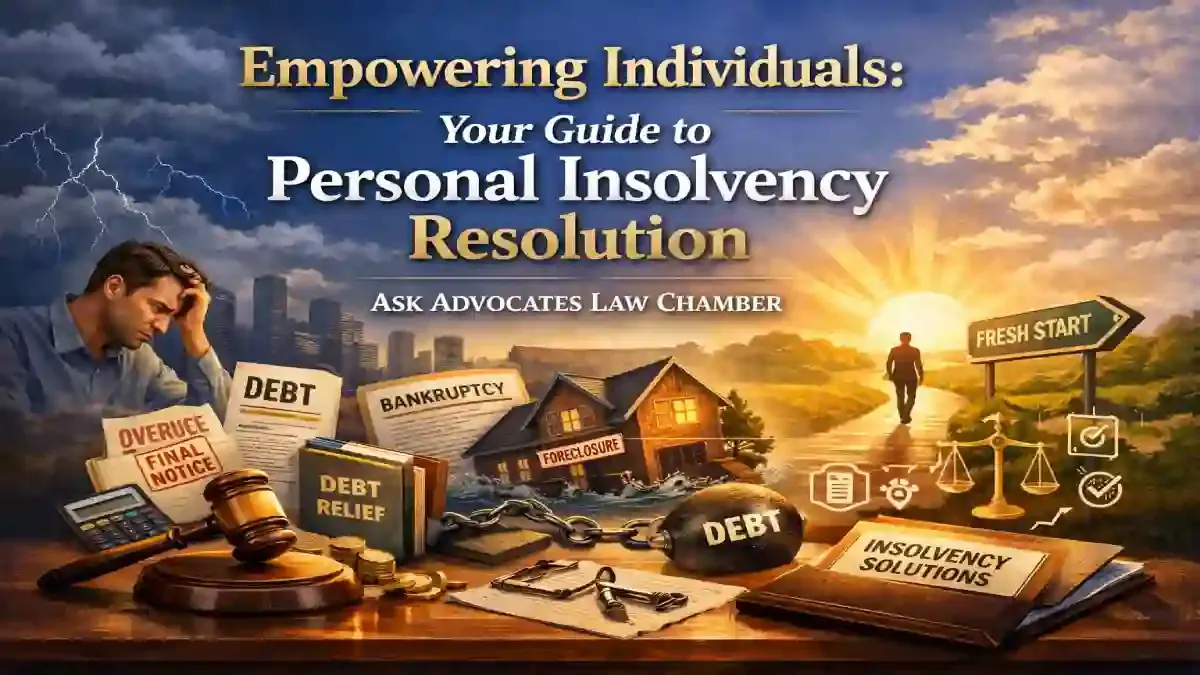
Empowering Debt Resolution: Debt can feel overwhelming. It can cast a long shadow over your finances and emotional well-being. If you're struggling to keep up with your creditors, you may be considering bankruptcy. However, the legal complexities surrounding bankruptcy proceedings can be daunting. This is where Advocates Law Chamber steps in.
Empowering Debt Resolution: Navigate Bankruptcy with Expertise and Advocacy by Advocates Law Chamber
Advocates Law Chamber: Your Trusted Guide Through Financial Challenges
Advocates Law Chamber is a premier law firm dedicated to empowering individuals and families facing overwhelming debt. We understand the immense pressure that debt creates, and we are committed to providing compassionate and effective legal representation. Our team of experienced bankruptcy attorneys possesses a deep understanding of bankruptcy law and a proven track record of success.
Expertise You Can Count On
Bankruptcy is a complex legal process. Navigating the various chapters, understanding eligibility requirements, and formulating the most beneficial strategy all necessitate specialized knowledge. Our attorneys stay current on the latest developments in bankruptcy law, ensuring that they can provide you with the most up-to-date advice and representation.
Advocacy That Fights For You
Bankruptcy isn't just about filing paperwork. It's about protecting your rights and securing a fresh financial start. Our attorneys act as your fierce advocates throughout the entire process. They will meticulously analyze your financial situation, develop a customized strategy tailored to your specific needs, and negotiate aggressively on your behalf with creditors.
Empowering You to Take Control
We believe that knowledge is power. That's why we prioritize clear communication with our clients. We will take the time to explain the intricacies of bankruptcy law in a way that is easy to understand. We will answer all your questions and address any concerns you may have. Our goal is to empower you to make informed decisions about your financial future.
Frequently Asked Questions About Bankruptcy
There are several chapters of bankruptcy law, each with its own eligibility requirements and procedures. The most common chapters for individuals are Chapter 7 and Chapter 13. Chapter 7 allows for the discharge of most unsecured debts, while Chapter 13 involves a court-supervised repayment plan. Our attorneys will assess your specific situation and recommend the chapter that best suits your needs.
Bankruptcy law exempts certain assets from liquidation. Our attorneys will guide you through these exemptions and help you protect your valuable property.
Filing for bankruptcy will have a negative impact on your credit score, but the severity and duration of the impact vary depending on the chapter you file under. Our attorneys can help you develop a plan to rebuild your credit after bankruptcy.
Absolutely. One of the immediate benefits of filing for bankruptcy is the automatic stay. This legal order prohibits creditors from contacting you directly regarding your debts. Our attorneys will ensure that the automatic stay is properly enforced.
There are filing fees associated with bankruptcy. Our attorneys will provide you with a transparent breakdown of all potential costs upfront. We offer flexible payment plans to make sure our services are accessible.
Next Steps: Schedule a Free Consultation with Advocates Law Chamber
If you are considering bankruptcy, don't hesitate to reach out to Advocates Law Chamber. We offer a free initial consultation where you can discuss your financial situation with a qualified attorney in a confidential setting. Our team will provide you with a realistic assessment of your options and guide you towards the path to financial freedom.
Don't let debt control your life. Take the first step towards a brighter financial future. Contact Advocates Law Chamber today.
Read More
- Government Service Matters: How to find the Best CAT Lawyers?
- Tenant and Landlord Issues: How to find the best Advocate?
- Merger & Acquisition M&A: How to choose the best corporate attorney?
- Expert Civil Litigation Attorneys for Your Legal Needs
- Litigation Services: How to find the Best Ranking Reliable Advocates?
- Ministry of Corporate Affairs (MCA):