⚖ Advocates · Legal Consultants · Chennai · Madras High Court · Supreme Court of India📞 +91-9994287060  ·  ✉ Askadvocates.com@gmail.com
AskAdvocatesLaw Chamber · Chennai
Intellectual Property & Cyber Law

Copyrights

By Advocate Saravvanan RajendranPublished Updated 4 min read

Quick answerADVOCATES FOR COPYRIGHTS Advocate Saravvanan Rajendran Law associates is the top leading copyrights law firm in Chennai, India. Intellectual property right
ADVOCATES FOR COPYRIGHTS IN CHENNAI. Advocate Saravvanan Rajendran Law associates is the top leading copyright law firm in Chennai, India. Intellectual property rights lawyers strive to provide cost effective methods of resolving your issues. In fact, Corporate Lawyers in this office provide quality representation and services for all to company clients. Copyrights law is being governed by copyright Act and Copyright Rules in India What is copyright ? This corporate Law office gives copyrights to intellectual property creator. Firstly, the intellectual property can be in the form of literature, drama, music and art work. Moreover, It can also be cinema and sound recordings. When one creates such original work, the copyright comes into existence. Rights of intellectual property owners Right to reproduce of their work Right to communicate their work to people Rights to alter and translate their work A person who is an original author or rightful owner or assignee can register for copyrights. Registration of copyright is not mandatory. In the event of disputes, copyright certificate serves as evidence in court. It is always advisable to apply for copyright registration Copyright infringement means use of intellectual property without the permission of its creator. There are some exemptions to copy right infringement. It may be like use of intellectual property (IP) for research, review or criticism. IP used for Classroom teaching is also not copyright infringement. Details and documents for copyright registration The following information is necessary at the time of applying for copyright - name, address, applicant’s and author’s nationality, nature of interest, work title, author’s declaration, language of work, published or unpublished work, publisher name, year in which published, power of attorney and so on. Procedure of Copyright registration File Form XIV (copyright application) along with fee. The payment of fees is through demand draft, postal order or online payment. After which a diary number gets allotted. You need to send by registered post the following. They are Copies of Form XIV, statement of particular and statement of further details. You need to send the same to every person who has interest or disputes the applicant. You need to wait for a period of 30 days for objection. If any objection gets filed, both the parties receive letter. The registrar of copyright after receiving requisite reply from parties conducts hearing. After hearing if application gets rejected, the applicant receives a rejection letter. When there is no objection, registrar of copyrights examines your application for discrepancies. In case of discrepancies or extra document, the applicant receives a discrepancy letter. Within 30 days you need to respond to discrepancy letter. You also need to submit extra documents. When all formalities get satisfied, the registrar issues copyrights certificate. Time Line of Copyright registration As a general rule copyrights is valid for 60 years. The copyright time line of literature like drama, music commences after author's death. In case of cinema, sound records etc. the time line commences from publication date. What is copyright infringement? Copyright law gives exclusive right to the copyright holder. The copyright holder has rights like reproduction, distribution, performance or do derivation. The use of copyright protected work without permission is copyright infringement. What are the popular forms of Copyright Infringement? The following are some of the most common kinds of copyright infringement: · Selling or hiring copyrighted work without the creators’ permission. · Giving permission to perform copyright infringed work at any place. · Distribution of work that is copyright infringed. · Exhibiting in public about copyright infringed work. · Importing copyright infringed works Any person or business doing above is liable for prosecution under copyrights law. Who can lay claim on the Copyright Ownership? The author's name published on literature, drama, music or art gets presumed as the author. He gets recognition as copyright owner. Unless if you can prove it otherwise. What are the remedies for Copyright Infringement? You can take legal action when there is copyright infringement of your work. The owner can file a civil law suit. He can claim remedies like injunctions, damages and accounts. Metropolitan or Judicial Magistrate and above can conduct the trial for copyright infringement. Artificial judicial person like company, LLP etc. can commit copyright infringement offence. All concerned officers of the judicial person is liable for the offence. Can Copyright Infringement undergo Criminal Prosecution? copyright infringement committed with intent is a criminal copyright infringement. The least punishment is 6 months imprisonment and find of INR 50,000 for first time offence. In case of second and later offence least of 1 year imprisonment and a fine of INR 1 lakh gets slapped. Is Copyright Infringement a Cognizable Offence? In Cognizable offence a police officer can an arrest without a warrant. The police officer can start investigation with or without court order. The police officer has to be sub inspector and above the post. Then only he can conduct arrest and investigation. The police officer has authority to confiscate copies and plates used for copying. He can produce the same to the Magistrate during trial. Yes, copyright infringement is a cognizable offence. Top advocates for copyright issues in Chennai Corporate advocates in this law firm are specialists in handling copy right infringement cases. The expert lawyers here strive to get court orders for injunctions and compensation for copyright infringement. Kindly call the senior corporate attorneys and fix up an appointment for consultation. Above all, these legal consultants assure to get to the bottom of your issue and suggest suitable legal solutions. Contact the best corporate attorney Today!
ADVOCATES FOR COPYRIGHTS

Advocate Saravvanan Rajendran Law associates is the top leading copyrights law firm in Chennai, India. Intellectual property rights lawyers strive to offer legal help in Low fees to resolve your issues. In fact, Corporate Lawyers in this office appear on behalf of you and provide the best Legal services. This is for a single person, firms and company clients.
Copyrights law is being governed by copyright Act and Copyright Rules in India Copyrights Legal Services | Best IPR Advocates in Chennai 9994287060 | Intellectual Property Rights Attorneys

What is copyright ?

This corporate Law office gives copyrights to intellectual property creator. Firstly, the IP can be in the form of literature, drama, music and Art work. Moreover, It can also be cinema and sound recordings. When one creates such original work, the copyright comes into real time.

Rights of intellectual property owners

  • Right to reproduce of their work
  • Right to communicate their work to people
  • Rights to alter and translate their work
A person who is an original author or rightful owner or assignee can register for copyrights. Registration of copyright is not a Must. In the event of disputes, copyright certificate serves as evidence in court. It is a must to apply for copyrights registration.
Best Advocates for Copy rights registration
Hire the best Advocates for Copy rights registration. Copyright infringement means use of intellectual property without the permission of its creator. There are some exemptions to copy right infringement. It may be like use of intellectual property (IP) for research, review or criticism. IP used for Classroom teaching is also not copyrights infringement.
Details and documents for copyright registration
The following information is necessary at the time of applying for copyright - name, address, applicant’s and author’s nationality, nature of interest, work title, author’s declaration, language of work, published or unpublished work, publisher name, year in which published, power of attorney and so on. Consult Top Advocates for Copyrights registration to learn more.
Procedure of Copyright registration
File Form XIV (copyright application) along with fee. The payment of fees is through demand draft, postal order or online payment. After which a diary number gets allotted. You need to send by registered post the following. They are Copies of Form XIV, statement of particular and statement of further details. You need to send the same to every person who has interest or disputes the applicant. You need to wait for a period of 30 days for objection. If any objection gets filed, both the parties receive letter. The registrar of copyright after receiving requisite reply from parties conducts hearing. After hearing if application gets rejected, the applicant receives a rejection letter. When there is no objection, registrar of copyrights examines your application for discrepancies. In case of discrepancies or extra document, the applicant receives a discrepancy letter. Within 30 days you need to respond to discrepancy letter. You also need to submit extra documents. When all formalities get satisfied, the registrar issues copyrights certificate.
Time Line of Copyright registration
As a general rule copyrights is valid for 60 years. The copyright time line of literature like drama, music commences after author's death. In case of cinema, sound records etc. the time line commences from publication date.
What is copyright infringement?
Copyright law gives exclusive right to the copyright holder. The copyright holder has rights like reproduction, distribution, performance or do derivation. The use of copyright protected work without permission is copyright infringement.
What are the popular forms of Copyright Infringement?
The following are some of the most common kinds of copyright infringement:
  • · Selling or hiring copyrighted work without the creators’ permission.
  • · Giving permission to perform copyright infringed work at any place.
  • · Distribution of work that is copyright infringed.
  • · Exhibiting in public about copyright infringed work.
  • · Importing copyright infringed works
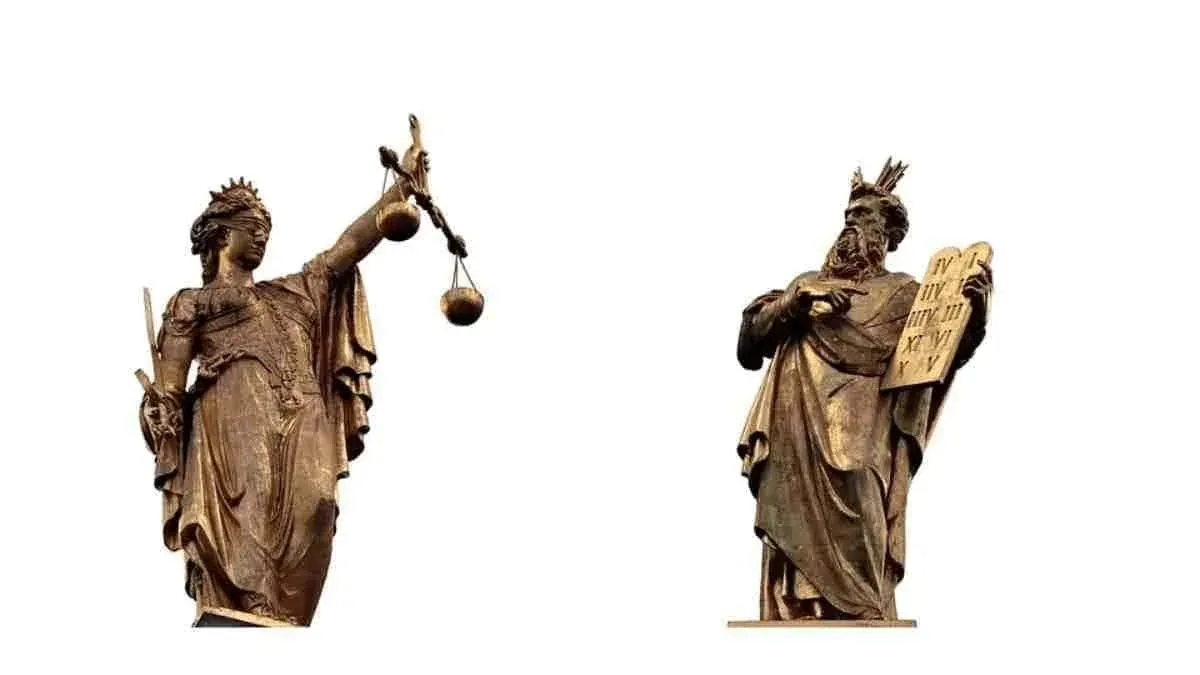
Any person or business doing above is liable for prosecution under copyrights law.
Who can lay claim on the Copyright Ownership ?
The author's name published on literature, drama, music or art gets presumed as the author. He gets recognition as copyright owner. Unless if you can prove it otherwise.
What are the remedies for Copyright Infringement ?
You can take legal action when there is copyright infringement of your work. The owner can file a civil law suit. He can claim remedies like injunctions, damages and accounts. Metropolitan or Judicial Magistrate and above can conduct the trial for copyright infringement. Artificial judicial person like company, LLP etc. can commit copyright infringement offence. All concerned officers of the judicial person is liable for the offence.
Can Copyright Infringement undergo Criminal Prosecution ?
copyright infringement committed with intent is a criminal copyright infringement. The least punishment is 6 months imprisonment and find of INR 50,000 for first time offence. In case of second and later offence least of 1 year imprisonment and a fine of INR 1 lakh gets slapped.
Is Copyright Infringement a Cognizable Offence?
In Cognizable offence a police officer can an arrest without a warrant. The police officer can start investigation with or without court order. The police officer has to be sub inspector and above the post. Then only he can conduct arrest and investigation. The police officer has authority to confiscate copies and plates used for copying. He can produce the same to the Magistrate during trial. Yes, copyright infringement is a cognizable offence.

Top advocates for copyright issues in Chennai

Corporate advocates in this law firm are specialists in handling copy right infringement cases. The expert lawyers here strive to get court orders for injunctions and compensation for copyright infringement. Kindly call the senior corporate attorneys and fix up an appointment for consultation. Above all, these legal consultants assure to get to the bottom of your issue and suggest suitable legal solutions. Contact the best corporate attorney Today!

Frequently Asked Questions

How do I register a trademark in India?

File an application in the appropriate class with the Trade Marks Registry, with the mark, applicant details, goods or services and date of first use. After examination, publication in the Trade Marks Journal and a four-month opposition window, the mark is registered for ten years and is renewable.

Is copyright registration compulsory?

No. Copyright arises automatically on creation of an original work, but registration under the Copyright Act, 1957 provides prima facie evidence of ownership and helps in enforcement. Protection generally lasts for the author's life plus sixty years for literary, artistic, musical and dramatic works.

What can I do if someone copies my brand or content?

Send a cease and desist notice, collect evidence, and file a suit for infringement or passing off in the competent District Court or High Court seeking injunction, damages or account of profits, with takedown requests to platforms. Criminal remedies may also apply under the Trade Marks Act and Copyright Act.

How do I report a cyber crime in India?

Report online at the National Cyber Crime Reporting Portal or call the 1930 helpline for financial fraud, and file an FIR at the cyber crime police station. Preserve screenshots, URLs, transaction IDs and emails, and inform your bank immediately to try to freeze the funds.

Is online defamation a crime?

Defamation is an offence under Section 356 of the Bharatiya Nyaya Sanhita, 2023, and civil damages may also be claimed. Online defamation involves publication through social media or websites, and courts may order takedown and injunctions, balancing free speech under Article 19(1)(a).

What does the DPDP Act require from businesses?

The Digital Personal Data Protection Act, 2023 requires lawful processing based on consent or specified legitimate uses, notice to data principals, security safeguards, breach notification, limits on children's data and honouring rights to access, correction and erasure, with significant monetary penalties for violations.

Related legal guides